Evgeni Malkin Net Worth 2026 - Two Decades of Elite Play Built a $75 Million Pittsburgh Fortune
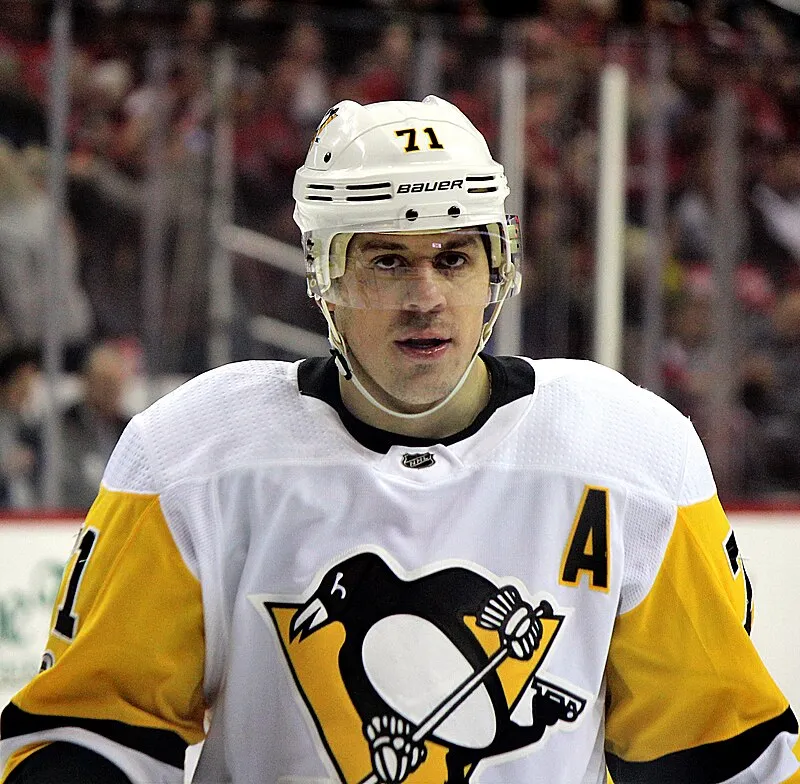
Photo of Evgeni Malkin, via Wikimedia Commons
Evgeni Malkin Net Worth 2026 - Two Stanley Cups and a $75 Million Legacy
Evgeni Malkin arrived in Pittsburgh as a 20-year-old with an unconventional path to the NHL — he departed Metallurg Magnitogorsk under dramatic circumstances in 2006, leaving Russia in the middle of the night to honor his commitment to the Penguins. Nearly two decades later, that bold decision has yielded one of the most financially rewarding careers in the history of professional hockey. As of 2026, Evgeni Malkin's net worth is estimated at approximately $75 million, a testament to his sustained excellence, his championship pedigree, and a financial portfolio that spans multiple countries and asset classes.
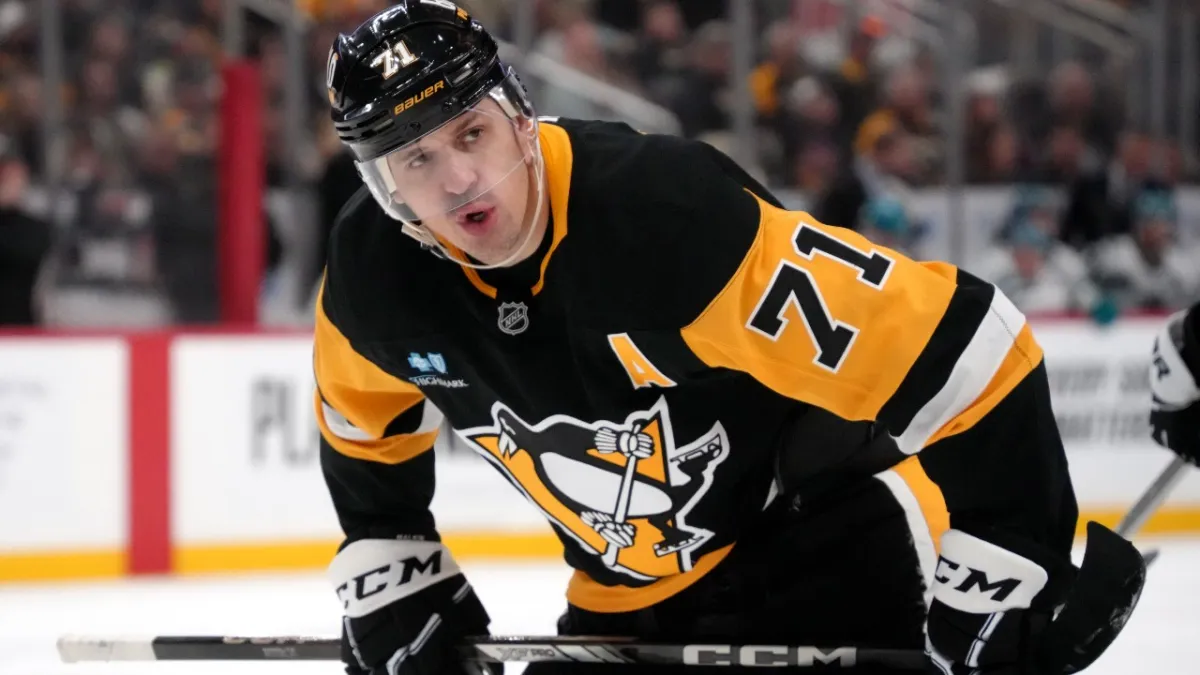 Photo: Evgeni Malkin, via www.sportsnet.ca
Early Career and KHL Earnings
Before his dramatic departure to North America, Malkin had already established himself as one of Russia's most promising young talents at Metallurg Magnitogorsk. His KHL-era earnings were modest relative to what awaited him in Pittsburgh, but they established the financial discipline that would serve him throughout his professional life. His family background — his father Gennady was a respected figure in Russian hockey — provided both structural support and a foundation of accountability that Malkin has carried into his business dealings.
Pittsburgh Penguins Contract History: A Career of Premium Earnings
Malkin's NHL salary history reads as a chronicle of the league's escalating pay scales for elite talent. His entry-level contract gave way to progressively larger deals as he proved himself not merely a complementary piece alongside Sidney Crosby, but an independent superstar in his own right — a fact underscored when he won the Hart Trophy as NHL MVP in 2012.
 Photo: Pittsburgh Penguins, via media.d3.nhle.com
His contract milestones with Pittsburgh include:
- Entry-level deal (2006–2009): Standard rookie terms, with performance bonuses tied to his Calder Trophy-caliber debut season.
- Five-year extension (2009): Valued at approximately $43.5 million, signaling the organization's commitment to pairing him with Crosby long-term.
- Four-year extension (2014): Signed at $9.5 million AAV, cementing his status as one of the two or three highest-paid centers in the game.
- Four-year deal (2022): Signed at $6.1 million AAV, reflecting both his age and his desire to remain a Penguin for the remainder of his career.
Across his NHL career, Malkin's cumulative contract earnings are estimated to exceed $130 million in gross salary, placing him among the highest-earning players in the history of the franchise.
Championship Bonuses and Playoff Revenue
Malkin's three Stanley Cup championships with Pittsburgh — in 2009, 2016, and 2017 — generated not only playoff bonus income but an incalculable boost to his commercial marketability. His Conn Smythe Trophy win in 2009, awarded to the most valuable player of the playoffs, elevated his international profile at a critical moment in his career. Championship-era endorsement surges and appearance fee premiums are estimated to have added several million dollars to his earnings during those title runs.
Endorsements: A Dual-Market Presence
Like Panarin and other prominent Russian NHL players, Malkin has maintained a commercial presence in both North American and Russian markets. In Russia, he has been associated with major domestic brands, including automotive and consumer goods partnerships that have historically commanded significant fees for athletes of his stature. His association with the Russian national team program has further amplified his domestic brand value.
In North America, Malkin's endorsement portfolio has been anchored by equipment partnerships and regional Pittsburgh-area sponsorships. While he has not pursued the broad American consumer brand deals that some of his English-speaking contemporaries have secured, his name recognition among hockey fans across the continent remains exceptionally high. Annual endorsement income is estimated in the range of $1 million to $2 million.
Business Ventures in Russia and North America
Malkin has invested meaningfully in business ventures tied to his hometown of Magnitogorsk, a city with which he maintains deep personal and professional connections. Real estate development and commercial property interests in Russia represent a significant component of his off-ice wealth. In North America, his investments are understood to include diversified financial instruments managed by a team of advisors with experience in athlete wealth management.
His philanthropic work — particularly the Evgeni Malkin Foundation, which has supported youth hockey development and charitable causes in both the United States and Russia — reflects a deliberate approach to community investment that also carries reputational value for his personal brand.
Real Estate Holdings
Malkin's real estate portfolio spans Pittsburgh, where he has maintained residences throughout his career, and Russia, where property investment has been a consistent element of his financial strategy. Pittsburgh-area properties, purchased during periods of significant salary income, have appreciated meaningfully over the two decades of his tenure with the Penguins. Total real estate holdings are estimated to contribute approximately $10 to $15 million to his overall net worth.
The Crosby Parallel: Financial Synergy in Pittsburgh
It is impossible to discuss Malkin's financial trajectory without acknowledging the symbiotic relationship between his career and that of Sidney Crosby. The two players elevated each other's commercial value by creating one of the most compelling teammate partnerships in sports history. Pittsburgh's status as a hockey market was transformed by their tandem dominance, which in turn generated sponsorship and media revenue that benefited both players' commercial ecosystems.
Net Worth Assessment
Evgeni Malkin's estimated $75 million net worth in 2026 reflects a career defined by excellence, longevity, and financial prudence. Two Hart Trophy campaigns, three championship rings, and nearly two decades of elite production have generated both the income and the brand equity to sustain a substantial personal fortune. From Magnitogorsk to Madison Square Garden — and every arena in between — Malkin's financial legacy is as enduring as his place in the sport's history.