Jean Beliveau Net Worth 2026 - Hockey's Gentleman Built a $45 Million Legacy
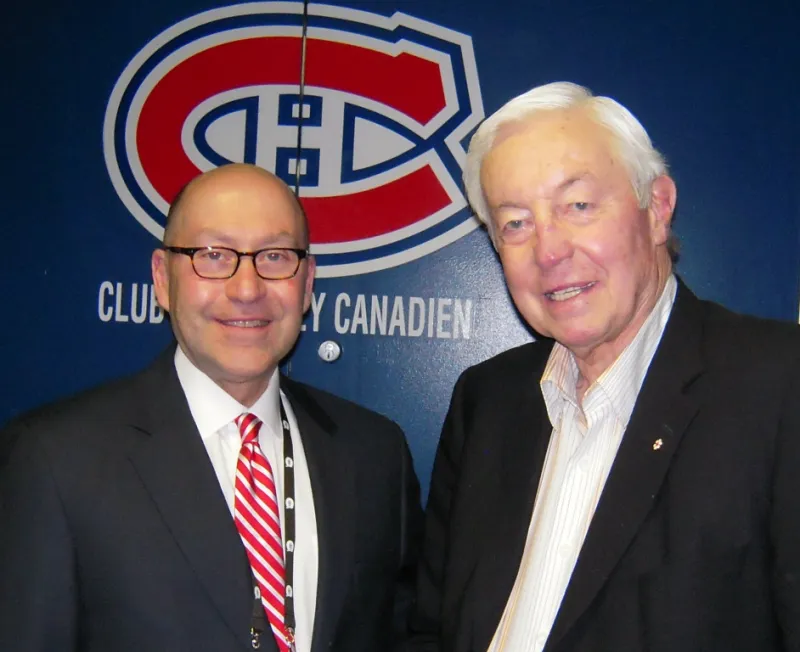
Photo: US Embassy Canada, CC BY 2.0, via Wikimedia Commons
Jean Beliveau Net Worth 2026 - Hockey's Gentleman Built a $45 Million Legacy
Jean Beliveau's estimated net worth of $45 million represents far more than two decades of NHL excellence. The Montreal Canadiens legend, who passed away in 2014 at age 83, built a financial empire that transcended hockey through his unparalleled reputation as the sport's most dignified ambassador.
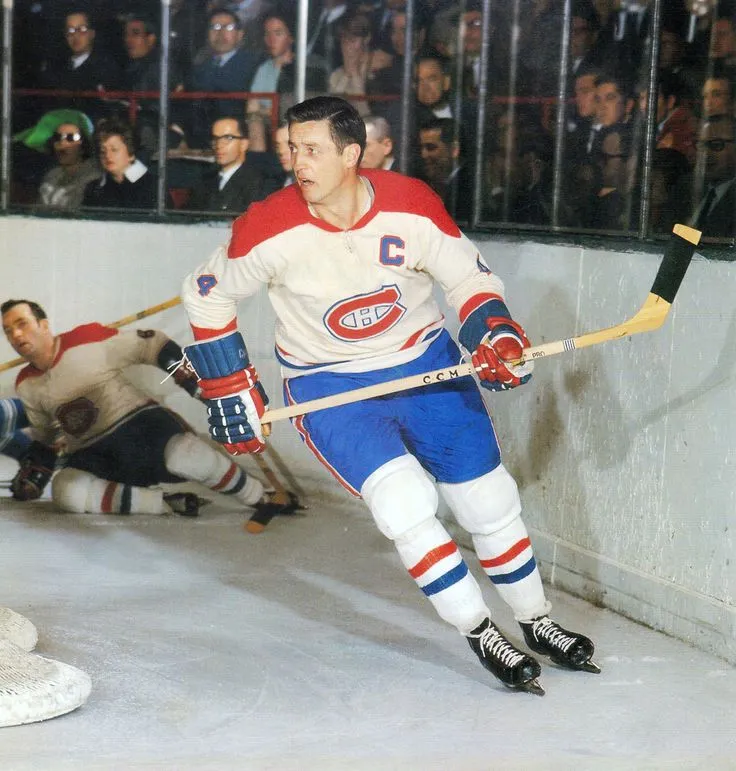 Photo: Jean Beliveau, via i.pinimg.com
 Photo: Montreal Canadiens, via logos-world.net
The Foundation: 20 Seasons of NHL Dominance
Beliveau's financial journey began in 1953 when he joined the Montreal Canadiens for $105,000 over five years—an astronomical sum for the era. His base NHL earnings totaled approximately $3.2 million across his playing career, but adjusting for inflation, those contracts would be worth over $28 million in today's dollars.
The Quebec native's on-ice production justified every dollar. Ten Stanley Cup championships, two Hart Memorial Trophies, and induction into the Hockey Hall of Fame in 1972 established Beliveau as hockey royalty, creating the foundation for decades of post-playing earnings.
 Photo: Hockey Hall of Fame, via a.cdn-hotels.com
Endorsement Gold: The Gentleman's Premium
Beliveau's true financial genius lay in understanding his marketable persona. Unlike many athletes who commanded endorsement fees through controversy or flash, Beliveau's dignified demeanor made him corporate America's ideal hockey spokesperson.
Major endorsement partnerships with Molson, General Motors of Canada, and various Quebec-based businesses generated an estimated $8-12 million throughout his career and retirement. His association with high-end brands reflected his status as hockey's ultimate gentleman, commanding premium rates that often exceeded those of more statistically dominant players.
Business Ventures and Strategic Investments
Beyond endorsements, Beliveau demonstrated shrewd business acumen. His restaurant investments in Montreal during the 1960s and 1970s capitalized on his local celebrity status, generating steady returns for decades. Real estate holdings in Quebec and Florida, purchased during his playing years when prices were modest, appreciated dramatically over time.
Beliveau's most significant business move came through his long-term partnership with the Canadiens organization. His roles as team ambassador and corporate representative provided consistent income streams while maintaining his public profile well into his seventies.
The Canadiens Connection: Lifetime Value
Few athletes have maintained such lucrative relationships with their former teams. Beliveau's formal and informal roles with Montreal generated an estimated $200,000-300,000 annually for over three decades after his retirement. This included appearance fees, consulting work, and participation in team marketing initiatives.
His jersey retirement ceremony in 1971 marked the beginning of a financial partnership that would prove mutually beneficial. The Canadiens leveraged Beliveau's prestige for corporate events and sponsor relationships, while he received compensation that far exceeded typical alumni arrangements.
Real Estate Portfolio: Quebec to Florida
Beliveau's real estate investments reflected both personal preference and financial strategy. His primary residence in Longueuil, Quebec, purchased in the 1960s for under $50,000, was valued at over $2 million at the time of his death. Additional properties in Florida and Montreal's exclusive Westmount district contributed significantly to his overall wealth.
The hockey legend's approach to real estate emphasized long-term appreciation over speculative gains. His properties were held for decades, allowing him to benefit from sustained market growth while avoiding the risks associated with frequent trading.
Media and Publishing Revenue
Beliveau's autobiography and various hockey publications generated substantial royalties throughout his lifetime. His book deals, estimated to be worth $500,000-750,000, reflected his status as one of hockey's most articulate and respected voices.
Television appearances and documentary participation provided additional income streams. His involvement in Hockey Night in Canada broadcasts and various NHL historical projects maintained his public profile while generating consistent revenue.
Estate Value and Legacy Holdings
Following Beliveau's death in 2014, his estate was valued at approximately $45 million. This figure includes real estate holdings, investment portfolios, and ongoing royalty agreements. His widow, Elise, inherited the majority of assets, though specific charitable bequests reflected Beliveau's philanthropic commitments.
The estate continues generating income through licensing agreements for Beliveau's name and likeness. Memorabilia sales, particularly items from his Stanley Cup victories, command premium prices at auction, contributing to the ongoing value of his legacy.
The Inflation Factor: Historical Context
Beliveau's financial success becomes even more impressive when considering the era in which he played. NHL salaries in the 1950s and 1960s were modest by today's standards, making his ability to parlay playing success into long-term wealth particularly noteworthy.
His peak annual salary of approximately $25,000 in the early 1970s would equal roughly $175,000 today—a fraction of what modern stars earn. Yet through strategic planning and brand management, Beliveau ultimately accumulated wealth that rivals many contemporary players.
Lessons from Le Gros Bill
Beliveau's financial legacy offers valuable insights for modern athletes. His emphasis on dignity, community involvement, and long-term thinking created sustainable income streams that lasted well beyond his playing career. The "Beliveau Model" of athlete wealth building prioritizes reputation management and strategic partnerships over short-term gains.
His $45 million net worth stands as testament to the enduring value of class, professionalism, and smart financial planning in professional sports. For hockey players seeking to maximize their earning potential, Jean Beliveau's approach remains the gold standard.