Wayne Gretzky Net Worth 2026 - How They Built Their Fortune
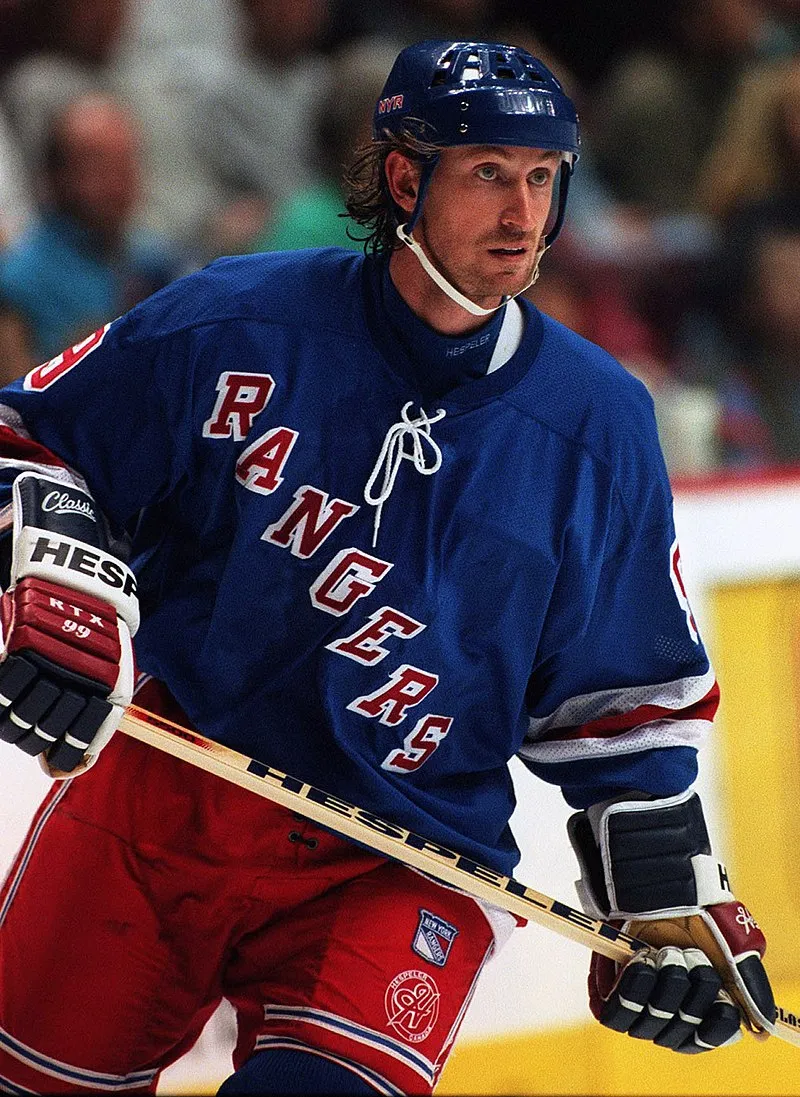
Photo of Wayne Gretzky, via Wikimedia Commons
Wayne Gretzky's transformation from Brantford's hockey prodigy to North America's wealthiest retired athlete represents one of sports' most remarkable financial success stories. With an estimated net worth exceeding $250 million in 2026, "The Great One" has built an empire that extends far beyond his legendary playing career, establishing the blueprint for athlete wealth creation that continues influencing stars across all sports.
Early Career Foundation: Revolutionary Salary Negotiations
Gretzky's financial journey began with groundbreaking contract negotiations that forever changed professional hockey economics. His initial Edmonton Oilers deal in 1979, worth $1.75 million over four years, seemed modest by today's standards but represented unprecedented compensation for a teenage hockey player.
The real financial revolution came with his personal services contract with Oilers owner Peter Pocklington, which included profit-sharing arrangements and merchandising rights. This innovative structure provided Gretzky with revenue streams beyond traditional salary, generating an estimated $3 million annually during his Edmonton peak years.
His 1988 trade to Los Angeles Lakers owner Bruce McNall's Kings organization included a landmark 15-year personal services contract worth $20 million, plus merchandising and appearance fees. This deal recognized Gretzky's value as both player and entertainment property, pioneering the modern athlete-as-brand concept.
The Endorsement Revolution: Building Brand Gretzky
Gretzky's endorsement portfolio during his playing career established new benchmarks for athlete marketing partnerships. His relationship with Coca-Cola, beginning in 1982, reportedly generated $2 million annually at its peak, making him one of the first athletes to command seven-figure endorsement deals.
The Nike partnership proved particularly lucrative, with Gretzky receiving both cash payments and equity stakes in specific product lines. His signature skate and apparel deals generated an estimated $15 million over eight years, while equity participation provided long-term wealth accumulation as Nike's valuation soared.
Upper Deck's exclusive trading card agreement, signed in 1990, transformed the sports memorabilia industry. Gretzky's guaranteed minimum payments of $3 million annually, plus royalties on card sales, created a revenue stream that continues generating income decades later.
Post-Retirement Business Ventures: Diversification Strategy
Following his 1999 retirement, Gretzky strategically diversified his wealth through various business ventures. His restaurant chain, "99 Blue Jays Way" and subsequent establishments, generated steady income while building his hospitality industry presence. Though not all ventures succeeded, the overall portfolio approach protected his wealth during economic downturns.
The Phoenix Coyotes ownership stake, acquired in 2000, represented Gretzky's largest single business investment. While his playing and coaching tenure with the franchise ended disappointingly, his ownership position reportedly generated $15 million in profits when the team was eventually sold.
Gretzky's Estates Winery in Ontario's Niagara region has evolved into a premium brand commanding high prices for limited releases. Industry estimates suggest the winery operation generates $2-3 million annually in profits while appreciating as a long-term asset.
Real Estate Empire: Strategic Property Investments
Gretzky's real estate portfolio spans multiple markets, with primary holdings in California, Ontario, and Arizona. His Thousand Oaks, California estate, purchased in 2002 for $13.5 million and extensively renovated, is now valued at approximately $25 million.
The family's seasonal residence in Ontario's Muskoka region represents both personal retreat and investment property. Purchased for $4.2 million in 2005, the waterfront estate has appreciated to an estimated $8 million value while providing tax advantages through Canadian residency maintenance.
Commercial real estate investments, managed through family trusts, include shopping centers and office buildings across North America. These properties generate steady rental income while providing inflation hedges and portfolio diversification.
Media and Entertainment Ventures
Gretzky's media presence continues generating substantial income through various channels. His role as TNT's lead hockey analyst reportedly pays $2 million annually, while appearance fees for corporate events command $100,000-200,000 per engagement.
Book deals, documentary participation, and licensing agreements for his name and likeness provide additional revenue streams. The "Wayne Gretzky" brand licensing generates an estimated $1 million annually through various product categories, from hockey equipment to collectibles.
His involvement in hockey video games and simulation products, dating back to the 1980s, established royalty streams that continue paying dividends as gaming technology evolves.
Investment Portfolio: Professional Management
Gretzky employs a team of investment professionals managing a diversified portfolio estimated at $75 million. The strategy emphasizes blue-chip stocks, municipal bonds, and conservative growth investments designed to preserve wealth while generating steady returns.
Private equity investments in sports-related businesses reflect Gretzky's industry expertise. Stakes in hockey equipment manufacturers and training facilities provide both financial returns and strategic positioning within the hockey ecosystem.
Cryptocurrency and technology investments represent a smaller portfolio percentage but demonstrate adaptation to evolving investment landscapes. These positions, managed conservatively, provide exposure to high-growth potential while limiting downside risk.
Franchise Ownership and Sports Investments
Beyond his Coyotes experience, Gretzky maintains ownership stakes in various hockey-related properties. Junior hockey team investments and hockey academy partnerships generate modest returns while supporting the sport's development.
His advisory roles with NHL teams, while not always directly compensated, provide networking opportunities and potential future investment possibilities. These relationships have proven valuable for identifying emerging business opportunities.
Philanthropic Activities and Tax Strategy
The Wayne Gretzky Foundation's activities provide tax benefits while supporting youth hockey development. Strategic charitable giving, managed through professional advisors, optimizes tax efficiency while maintaining Gretzky's commitment to community support.
Canadian and American tax planning strategies, coordinated across both jurisdictions, maximize after-tax wealth accumulation. Professional tax management has reportedly saved millions in tax obligations while ensuring full legal compliance.
Legacy Planning and Wealth Preservation
Trust structures and estate planning ensure Gretzky's wealth transfers efficiently to future generations. Family office management coordinates investments, tax planning, and philanthropic activities while preserving privacy and minimizing administrative burdens.
Insurance policies and wealth protection strategies guard against potential liabilities while providing liquidity for estate planning purposes. This comprehensive approach ensures long-term wealth preservation regardless of market conditions.
The Gretzky Model: Lessons for Modern Athletes
Gretzky's wealth-building approach established principles that remain relevant for today's athletes. Early brand development, strategic endorsement selection, and business diversification created multiple income streams that outlasted his playing career.
His emphasis on long-term thinking over short-term gains, professional financial management, and calculated risk-taking provides a blueprint for sustainable wealth creation that transcends sports success.
Financial Legacy Assessment
Wayne Gretzky's estimated $250 million net worth in 2026 represents more than personal financial success – it demonstrates how athletic excellence can translate into lasting business achievement. His wealth-building strategies continue influencing athlete financial planning across all sports, cementing his legacy as both hockey's greatest player and most successful businessman.
The Great One's financial empire stands as testament to the power of strategic thinking, professional management, and leveraging athletic success into lasting wealth creation. As modern athletes seek to maximize their earning potential, Gretzky's approach remains the gold standard for transforming sports success into generational wealth.