Bobby Orr Net Worth 2026 - The Defenseman Who Rewrote Hockey's Financial Rulebook

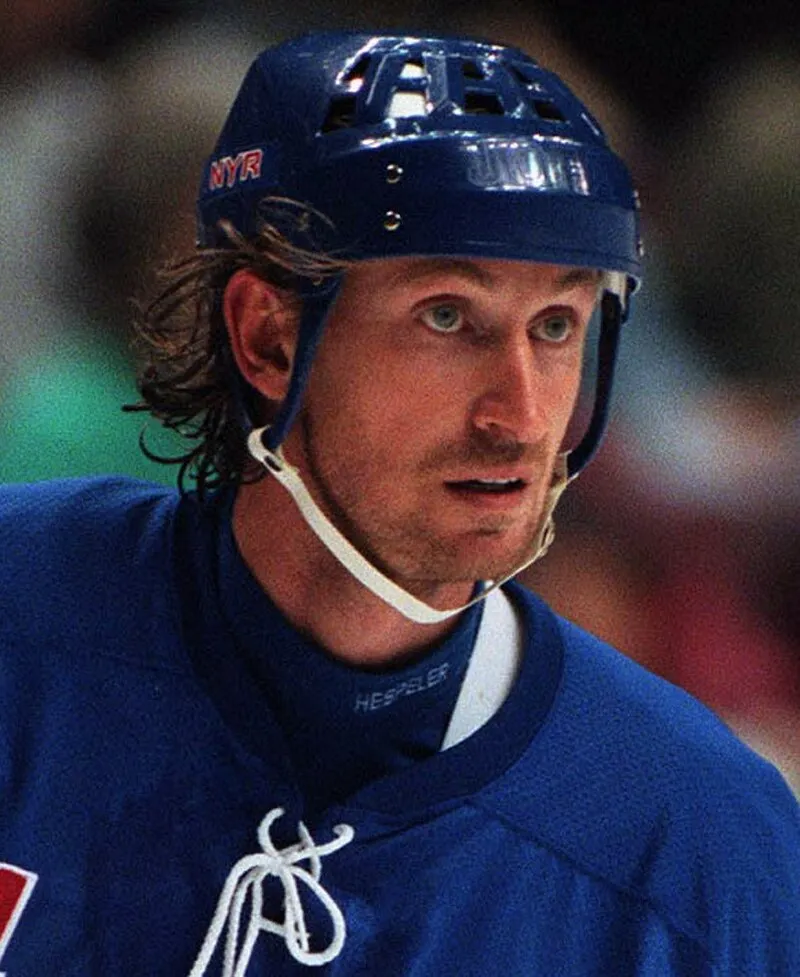
Photo of Bobby Orr, via Wikimedia Commons
There are athletes who accumulate wealth, and then there are athletes who change the systems through which wealth is accumulated. Bobby Orr belongs emphatically in the second category. With an estimated net worth of $50 million in 2026, the greatest defenseman in hockey history has built a comfortable and enduring financial legacy — one made more remarkable by the fact that he was systematically underpaid for much of his playing career and still managed to construct a post-hockey business empire that has outlasted his skating days by more than four decades.
Orr's financial biography is inseparable from the broader economic history of the NHL itself. Understanding what he is worth today requires understanding what he was denied in his prime — and how that injustice ultimately catalyzed the modern player compensation era.
The Parry Sound Kid and the Contract That Shocked a Sport
Bobby Orr arrived in Boston in 1966 as a 18-year-old phenomenon from Parry Sound, Ontario. His entry into the NHL coincided with a pivotal moment in sports labor economics: players had virtually no negotiating power, no union with meaningful teeth, and almost no access to independent financial counsel.
Orr's first contract with the Boston Bruins, negotiated with the assistance of a young Toronto lawyer named Alan Eagleson, was groundbreaking for its era — reportedly worth approximately $75,000 over two years, with a signing bonus that made headlines in 1966. By the standards of the day, it was exceptional. By the standards of what Orr's production would generate for the Bruins franchise, it was a fraction of his actual value.
What followed was a playing career of almost incomprehensible dominance. Orr won eight consecutive Norris Trophies as the league's best defenseman, two Hart Trophies as MVP, two Stanley Cup championships with Boston, and posted offensive numbers that remain unmatched by any defenseman in the sport's history. He was, by any objective measure, the most valuable player in the NHL for most of the late 1960s and early 1970s.
Yet his contracts never fully reflected that value — a reality that would later be exposed as, in part, a consequence of mismanagement and conflicts of interest on the part of his agent.
The Eagleson Betrayal and Its Financial Consequences
The most consequential chapter in Orr's financial story is also the most troubling. Alan Eagleson, who served simultaneously as Orr's personal agent and as executive director of the NHL Players' Association, was later convicted of fraud and theft in the 1990s — crimes that included the misappropriation of player funds and the facilitation of arrangements that benefited team owners at players' expense.
For Orr, the personal financial damage was severe. He has stated publicly that he was led to believe he held an ownership stake in the Chicago Blackhawks — a deal he signed late in his career that he understood as an equity arrangement — only to discover that no such stake existed. The financial losses attributable to Eagleson's mismanagement, combined with the career earnings Orr never received due to suppressed contract values, represent a significant counterfactual gap between what he earned and what he should have earned.
Estimates suggest Orr's lifetime playing earnings totaled approximately $3–4 million — a figure that, while substantial for its era, was dramatically below his market value and well below what contemporaries in other major American sports were earning for comparable levels of dominance.
Building Wealth After the Ice: The Orr Hockey Group
If the playing career represents a cautionary tale about financial exploitation, Orr's post-hockey career represents a masterclass in rehabilitation and reinvention. Following his retirement in 1978 — forced prematurely by the chronic knee injuries that had plagued him throughout his career — Orr channeled his reputation and his hard-won understanding of player representation into building a legitimate agency business.
The Orr Hockey Group, founded in the 1990s, became one of the most respected player representation firms in North America. Operating with an explicit commitment to the ethical standards that had been so conspicuously absent in his own career, the agency has represented hundreds of NHL players and negotiated contracts worth hundreds of millions of dollars in aggregate.
Orr's ownership stake in the firm, combined with the agency's fee income over three decades of operation, represents the most significant source of wealth accumulation in his post-playing financial history. Industry observers estimate the business has contributed $20–25 million to his overall net worth over its lifetime.
Memorabilia, Licensing, and the Enduring Orr Brand
Bobby Orr's iconic status in American hockey culture — anchored by the most famous photograph in the sport's history, the image of him flying through the air after scoring the 1970 Stanley Cup–winning goal — has generated a memorabilia and licensing revenue stream that has remained active for more than 50 years.
Autographed merchandise, licensed imagery, and personal appearance fees constitute a meaningful component of his annual income. The 1970 goal photograph alone has appeared on thousands of officially licensed products, with royalty arrangements providing passive income that requires no ongoing active effort.
His relationship with the Boston Bruins organization has remained strong and commercially productive. He serves as an ambassador and public face of the franchise, a role that carries both compensation and the continued exposure that sustains demand for his personal brand.
Real Estate and Investment Holdings
Orr has maintained a primary residence in the Boston area for much of his adult life, and his real estate holdings — while not extensively publicized — are understood to include properties that have benefited from the region's long-term appreciation. Florida real estate, a common destination for retired athletes seeking both lifestyle and tax advantages, is also reported to be part of his property portfolio.
His investment approach has been described by those familiar with his financial affairs as conservative and income-oriented — a posture consistent with someone who experienced firsthand the consequences of misplaced financial trust and who has spent decades advising young players to protect what they earn.
The $50 Million Legacy
At 78 years of age, Bobby Orr's estimated $50 million net worth is the product of a business career that has far outlasted his playing days and more than compensated for the financial losses of his youth. More significantly, his influence on the economics of professional hockey — as a cautionary example that helped galvanize the players' union, as a business operator who modeled ethical representation, and as a figure whose contract history informed decades of subsequent negotiations — represents a legacy that cannot be quantified in dollars.
The financial landscape of the modern NHL, where elite players routinely sign contracts worth $10 million or more per season, owes a measurable debt to what Bobby Orr was denied. His net worth today is real and substantial. The fortune he should have accumulated during his playing prime remains one of professional sports' great economic injustices — and one of its most instructive lessons.