Ray Bourque Net Worth 2026 - A Hall of Famer's $30 Million Legacy Built Over 22 Seasons
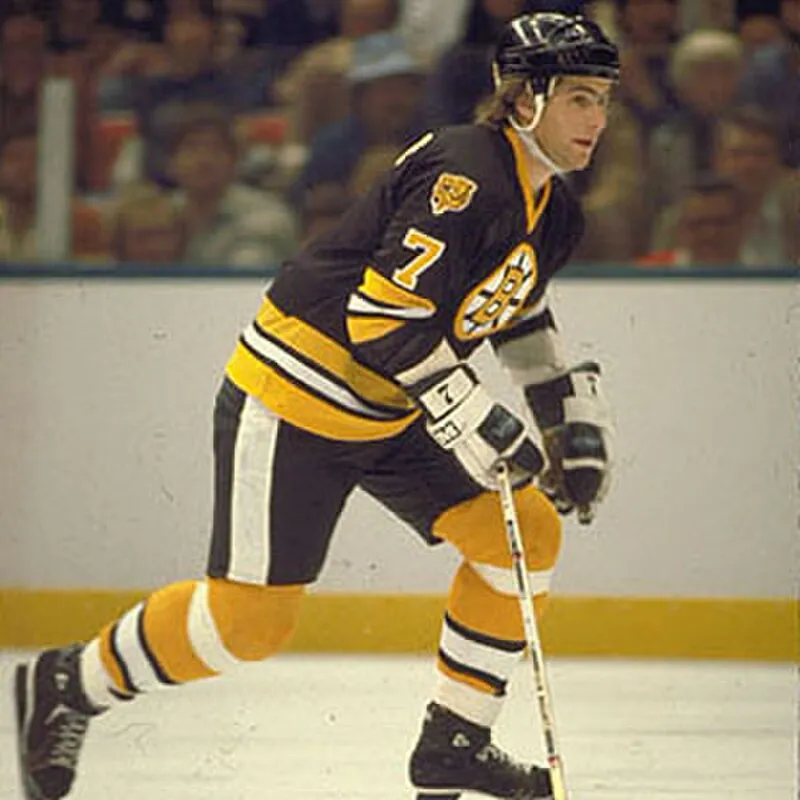
Photo of Ray Bourque, via Wikimedia Commons
Ray Bourque Net Worth 2026 - A Hall of Famer's $30 Million Legacy Built Over 22 Seasons
Ray Bourque played 22 seasons of professional hockey, won five Norris Trophies, made 19 All-Star Game appearances, and lifted the Stanley Cup in what became one of the sport's most emotionally resonant moments. By 2026, the Hall of Fame defenseman from Montreal, Quebec, carries an estimated net worth of $30 million — a figure that reflects not just the earnings of a legendary playing career but the durable financial architecture of a man who has spent decades as one of New England's most beloved sports figures.
A Career That Defined an Era
Bourque was selected eighth overall by the Boston Bruins in the 1979 NHL Draft and immediately established himself as a generational talent. He won the Calder Trophy as the league's top rookie in 1980 and went on to redefine expectations for offensive production from the blue line over the course of two decades.
 Photo: Boston Bruins, via kubrick.htvapps.com
Playing the majority of his career during an era when NHL salaries were substantially lower than today's figures, Bourque nonetheless became one of the sport's better-compensated players as his career progressed. His peak salary years in Boston — particularly the late 1980s through the late 1990s — saw him earning in the range of $3 to $5 million per season, figures that were among the highest in the league at the time but pale in comparison to the contracts signed by defensemen of comparable caliber in the modern NHL.
Cumulative career earnings across 22 NHL seasons are estimated at approximately $30 to $35 million in gross salary — a figure that must be contextualized against the tax rates and financial management practices of the era, which were less sophisticated than what today's players benefit from through the NHLPA's resources.
The Colorado Chapter and the Stanley Cup
In March 2000, Bourque requested a trade from Boston — a city where he had given 21 seasons — in pursuit of the one prize that had eluded him: the Stanley Cup. The Bruins honored his request, and he was dealt to the Colorado Avalanche. The following spring, in June 2001, Bourque raised the Cup at the age of 40 in what became one of the most celebrated moments in modern hockey history.
 Photo: Colorado Avalanche, via image.musicdope80s.com
That championship, and the manner in which it was won, transformed Bourque's marketability. His story — the loyal veteran finally rewarded — resonated with sports fans far beyond the hockey world. The emotional narrative surrounding the 2001 Stanley Cup run generated a wave of media attention, memorabilia demand, and public goodwill that has continued to pay financial dividends for more than two decades.
Colorado fans adopted Bourque as one of their own during his brief tenure, and he has maintained a warm relationship with the Denver market in the years since. Appearances, autograph signings, and charitable work in both Boston and Colorado have kept him visible and financially active in two of North America's most passionate hockey markets.
Boston Brand Equity: A 40-Year Relationship
Perhaps no element of Bourque's post-retirement financial picture is more significant than his brand equity in New England. Few athletes in Boston sports history have maintained the kind of sustained affection that Bourque enjoys. He is spoken of alongside Bill Russell, Ted Williams, and Bobby Orr as figures who defined their franchises across entire generations.
That brand equity translates into tangible financial value. Bourque has been involved in restaurant and hospitality ventures in the New England area, leveraging his name and personal relationships in a region where his reputation opens doors that would otherwise remain closed. While the specific financial details of those ventures are not publicly disclosed, hospitality investments of the type associated with retired professional athletes of his stature typically generate $500,000 to $1.5 million annually when well-managed.
Memorabilia, Appearances, and the Collectibles Market
The sports memorabilia market has expanded dramatically over the past decade, driven by online platforms, authentication technology, and a collector base that has grown to include younger investors treating autographed items and trading cards as alternative assets. Bourque's memorabilia commands strong prices, particularly items associated with the 2001 Stanley Cup run and his long tenure with the Bruins.
Professional appearance fees for Hall of Fame players of Bourque's stature typically range from $10,000 to $30,000 per event, and annual memorabilia income for a player of his profile is estimated at $200,000 to $400,000. Over the course of his post-retirement years, these income streams have contributed meaningfully to his overall financial picture.
Broadcasting and Media Involvement
Bourque has maintained a presence in hockey media since his retirement, participating in broadcast segments, documentary projects, and the kind of retrospective programming that the NHL and its broadcast partners regularly produce around the sport's history. While he has not pursued a full-time media career, periodic involvement in these projects generates supplemental income and keeps his public profile active.
The NHL's growing investment in its own historical content — driven by streaming platforms and anniversary programming — has created ongoing demand for legendary players willing to participate in storytelling around the game's past. Bourque, as one of the sport's most decorated defensemen, is a natural fit for that content ecosystem.
Real Estate and Investment Holdings
Bourque has long been associated with the greater Boston area, and his real estate holdings are believed to be concentrated in New England. Property in desirable Massachusetts communities has appreciated substantially over the past two decades, and athletes who purchased residential real estate in the region during their playing years have generally seen strong returns.
His investment portfolio, accumulated over decades of professional earnings, is estimated to include a diversified mix of conservative growth vehicles consistent with the financial planning approach common among players of his generation. Total investment and real estate assets are estimated at $12 to $15 million.
Net Worth Summary
| Source | Estimated Value |
|---|---|
| Career NHL Earnings (net, historical) | ~$12 million |
| Real Estate & Investments | ~$13 million |
| Hospitality & Business Ventures | ~$3 million |
| Memorabilia & Appearances | ~$2 million |
| Estimated Total Net Worth | ~$30 million |
The Enduring Value of Doing It Right
Ray Bourque's $30 million net worth is modest by the standards of today's NHL superstars, and that context is important. He played in an era of far lower salaries, before the salary cap era transformed player compensation, and before the modern endorsement economy fully embraced hockey players as commercial assets. That he has built and maintained a $30 million fortune through disciplined financial management, sustained community engagement, and the enduring goodwill of two hockey markets speaks to the kind of character that made him great on the ice. In 2026, Ray Bourque remains one of the sport's most admired figures — and one of its most financially stable retirees.